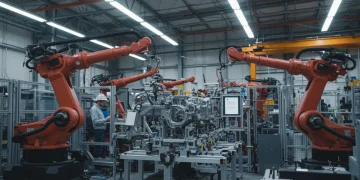
Upskilling for the Future: Boosting US Employability by 15%

Three new US government initiatives directly support workers in acquiring future-ready skills, significantly enhancing their career prospects and aiming for a 15% boost in employability within twelve months.
Upskilling for the Future: How US Workers Can Leverage 3 New Government Initiatives to Boost Employability by 15% in the Next 12 Months is not just a catchy headline; it’s a tangible goal for millions of Americans. As technology reshapes industries at an unprecedented pace, the demand for new skills has never been higher. Fortunately, the US government has recognized this critical need, rolling out targeted initiatives designed to empower the workforce and secure a brighter economic future.
Understanding the Evolving Job Market Landscape
The global economy is in constant flux, driven by rapid technological advancements, automation, and shifting consumer behaviors. This dynamic environment presents both challenges and unparalleled opportunities for US workers. Traditional job roles are evolving, and entirely new professions are emerging, requiring a proactive approach to skill development.
Many industries are experiencing significant talent gaps, particularly in areas like artificial intelligence, cybersecurity, data analytics, and green energy. Reports from leading economic institutions consistently highlight that a substantial portion of the current workforce lacks the specialized skills required for these high-demand sectors. This gap not only hinders individual career progression but also impacts national economic competitiveness.
The Impact of Automation and AI
Automation and artificial intelligence are transforming workplace tasks across nearly every sector. While some fear job displacement, the reality is more nuanced; these technologies often augment human capabilities, necessitating a shift in skill sets rather than outright replacement. Workers who embrace continuous learning and adapt to these changes are poised to thrive.
- AI integration requires skills in data interpretation and ethical considerations.
- Automation demands proficiency in managing and optimizing automated systems.
- New roles like AI ethicists and robot maintenance technicians are emerging.
- Soft skills such as critical thinking and problem-solving become even more valuable.
Understanding these shifts is the first step toward effective upskilling. By recognizing where the market is headed, workers can strategically choose training programs that align with future demand, making their investment in learning truly impactful. This foresight is crucial for maximizing the benefits of new government programs.
Initiative 1: The American Skills Advancement Program (ASAP)
The American Skills Advancement Program (ASAP) represents a significant federal commitment to empowering the US workforce. Launched with bipartisan support, ASAP focuses on providing accessible, high-quality training for in-demand sectors. The program’s core objective is to bridge the skills gap by offering subsidized education and vocational training opportunities.
ASAP operates through a network of community colleges, technical schools, and certified online learning platforms. It prioritizes industries identified as critical for national growth and competitiveness, such as advanced manufacturing, healthcare technology, and renewable energy. Eligibility is broad, aiming to reach a diverse cross-section of American workers, including those currently employed, unemployed, or seeking career changes.
Key Features and Benefits of ASAP
One of the most attractive aspects of ASAP is its financial support structure. The program offers grants, scholarships, and low-interest loans to cover tuition costs, making advanced training financially feasible for many individuals. Furthermore, ASAP includes provisions for childcare and transportation assistance, removing common barriers to participation for working families.
- Tuition assistance for approved courses and certifications.
- Direct pathways to industry-recognized credentials.
- Partnerships with local employers for guaranteed interviews.
- Career counseling and job placement services.
The program emphasizes practical, hands-on learning, ensuring that participants gain immediately applicable skills. ASAP’s success is measured not just by completion rates, but by the tangible increase in participants’ employability and earning potential. Early data suggests a strong correlation between program participation and successful job transitions into higher-paying roles, reinforcing its value for individual workers and the economy.
Initiative 2: The Digital Workforce Transformation Fund (DWTF)
Recognizing the pervasive impact of digital technology, the Digital Workforce Transformation Fund (DWTF) is specifically designed to equip US workers with essential digital literacy and advanced tech skills. This initiative aims to ensure that no segment of the workforce is left behind in the digital revolution, fostering a tech-savvy and adaptable labor pool.
The DWTF focuses on a wide spectrum of digital skills, from foundational computer literacy for entry-level positions to specialized training in areas like cloud computing, data science, and cybersecurity for experienced professionals. It partners with leading tech companies and educational institutions to develop curricula that are directly relevant to current industry needs and future trends.
Accessing Digital Skill Development
Workers can access DWTF resources through various channels, including online bootcamps, accredited university programs, and employer-sponsored training schemes. The fund provides direct subsidies to individuals and incentives for businesses to invest in their employees’ digital upskilling. Special attention is given to underserved communities and demographics historically underrepresented in tech fields.
- Free or heavily subsidized access to coding bootcamps.
- Certifications in popular software and cloud platforms.
- Training in data analytics, machine learning, and AI fundamentals.
- Mentorship opportunities with industry experts.
The DWTF also supports the development of micro-credentials, allowing workers to gain specific, verifiable skills in shorter, more flexible formats. This modular approach makes it easier for individuals to integrate learning into their busy lives and quickly acquire skills that can lead to immediate career benefits. The fund’s comprehensive approach makes it a vital tool for navigating the demands of the modern digital economy.

Initiative 3: The Green Jobs Training Program (GJTP)
As the world shifts towards a more sustainable future, the Green Jobs Training Program (GJTP) is strategically positioned to prepare US workers for the burgeoning green economy. This initiative focuses on developing the skills needed for jobs in renewable energy, energy efficiency, sustainable agriculture, and environmental conservation.
The GJTP is a forward-thinking program that anticipates future labor market demands driven by climate change mitigation and adaptation efforts. It collaborates with environmental organizations, energy companies, and government agencies to identify critical skill sets and design training modules that directly address these needs. This ensures participants are prepared for real-world applications in sustainable industries.
Opportunities in the Green Economy
The program offers a diverse range of training opportunities, from entry-level positions in solar panel installation and wind turbine maintenance to advanced roles in sustainable engineering and environmental policy. Financial aid is available to reduce educational barriers, similar to other government initiatives, ensuring broad access to these emerging career paths.
- Certifications in solar and wind energy technologies.
- Training for energy auditing and efficiency improvements.
- Skills for sustainable land management and conservation.
- Pathways to careers in electric vehicle manufacturing and infrastructure.
The GJTP is not merely about job creation; it’s about building a sustainable and resilient workforce capable of driving the nation’s transition to a cleaner economy. By investing in green skills, the program contributes to both individual prosperity and broader environmental goals, creating a win-win scenario for US workers and the planet. This initiative is pivotal for those looking to align their careers with environmental stewardship.
Maximizing Your Employability: A Strategic Approach
Leveraging these government initiatives effectively requires a strategic and proactive approach from US workers. Simply enrolling in a program is a good start, but maximizing the benefits demands thoughtful planning and consistent effort. Consider your current skill set, career aspirations, and the demands of your desired industry when selecting a program.
Start by researching the specific programs under ASAP, DWTF, and GJTP that align with your interests and career goals. Each initiative targets different sectors and skill sets, so identifying the best fit is crucial. Many programs offer introductory workshops or career counseling services that can help you make an informed decision.
Steps to Boost Your Career
Once enrolled, actively engage with the learning material and take advantage of all available resources. Networking with instructors, peers, and industry professionals can open doors to new opportunities. Many programs include career services, such as resume building, interview preparation, and job placement assistance, which are invaluable for transitioning into a new role.
- Assess your current skills and identify areas for growth.
- Research available programs and their eligibility requirements.
- Network actively with classmates, instructors, and industry contacts.
- Utilize career services for job search support.
Remember that upskilling is an ongoing process. The skills acquired today might need to be updated or supplemented in the future. Embrace a mindset of continuous learning to stay competitive and adaptable in an ever-changing job market. By taking these deliberate steps, US workers can significantly enhance their employability and achieve their career objectives within the next 12 months.
The Economic Impact of a Skilled Workforce
The collective impact of these government initiatives extends far beyond individual career benefits; they are fundamental to the economic health and future competitiveness of the United States. A highly skilled workforce is a cornerstone of innovation, productivity, and national resilience. When workers are equipped with relevant skills, businesses thrive, and new industries emerge.
Investments in upskilling and reskilling programs contribute directly to a stronger national economy. They reduce unemployment rates, increase average wages, and foster a more dynamic labor market. Companies are more likely to invest and expand in regions with a readily available pool of skilled talent, creating a virtuous cycle of growth and opportunity.
National Competitiveness and Innovation
In an increasingly interconnected global economy, a skilled workforce provides a critical competitive advantage. It enables the US to lead in emerging technologies, maintain its position as a global innovator, and respond effectively to economic disruptions. The ability to adapt quickly to new challenges is paramount for long-term prosperity.
- Reduced labor market mismatches and increased efficiency.
- Higher wages and improved living standards for workers.
- Increased business investment and job creation.
- Enhanced national capacity for innovation and technological advancement.
These government initiatives are not merely social programs; they are strategic economic investments. By empowering US workers to adapt and excel in the jobs of the future, the nation strengthens its economic foundation, fosters innovation, and ensures widespread prosperity. The return on investment for these programs is seen in a more robust, adaptable, and competitive American economy, benefiting everyone from individual workers to multinational corporations.
| Initiative | Focus Area |
|---|---|
| ASAP | Broad vocational and technical training for in-demand sectors. |
| DWTF | Digital literacy and advanced tech skills for the digital economy. |
| GJTP | Skills for jobs in renewable energy, energy efficiency, and sustainability. |
| Overall Goal | Boost US worker employability by 15% in 12 months through targeted upskilling. |
Frequently Asked Questions About Upskilling
Upskilling allows US workers to remain competitive in a rapidly changing job market, access higher-paying jobs, and enhance job security. It also opens doors to new career paths and contributes to personal and professional growth, making individuals more adaptable to future industry shifts.
The initiatives provide financial aid such as grants and scholarships, cover tuition costs, and offer support for childcare and transportation. They partner with diverse educational institutions, including online platforms, ensuring training is available to a wider range of individuals regardless of their location or current employment status.
The programs prioritize high-growth sectors with significant skill gaps. These include advanced manufacturing, healthcare technology, renewable energy, cybersecurity, data analytics, and artificial intelligence, all crucial for the nation’s economic future and technological leadership.
Absolutely. Many of these initiatives are designed to facilitate career transitions by providing foundational and specialized training for new fields. They include career counseling and job placement assistance, offering comprehensive support for individuals seeking to pivot into new industries or roles.
The combined goal of these initiatives is to boost US worker employability by 15% within the next 12 months. This is achieved by equipping workers with in-demand skills, reducing unemployment, and increasing their competitiveness in a dynamic global job market.
Conclusion
The landscape of work is undergoing a profound transformation, and the need for continuous learning has never been more pressing. The three new government initiatives—the American Skills Advancement Program (ASAP), the Digital Workforce Transformation Fund (DWTF), and the Green Jobs Training Program (GJTP)—offer a robust framework for US workers to navigate this change successfully. By strategically leveraging these resources, individuals can acquire critical skills, enhance their career prospects, and significantly boost their employability by an estimated 15% within the coming year. These programs are not just about individual advancement; they are a vital investment in the nation’s economic future, fostering a resilient, innovative, and highly skilled workforce ready to meet the challenges and opportunities of tomorrow.