
The Cost of Non-Compliance: Avoiding Fines Up to $5 Million with Proactive Cybersecurity Measures This Quarter
In today’s interconnected digital landscape, the phrase ‘data is the new oil’ has become a staple. However, with this immense value comes an equally immense responsibility: safeguarding that data. Businesses worldwide are grappling with increasingly complex and stringent cybersecurity regulations, and the stakes have never been higher. The cost of non-compliance can be catastrophic, extending far beyond financial penalties to encompass severe reputational damage, loss of customer trust, and even operational shutdowns. This quarter, as regulatory bodies intensify their scrutiny, understanding and implementing proactive cybersecurity compliance measures is not merely good practice; it’s an imperative for survival. Failing to do so could lead to significant financial repercussions, with fines soaring up to $5 million or more, depending on the nature and scale of the violation.
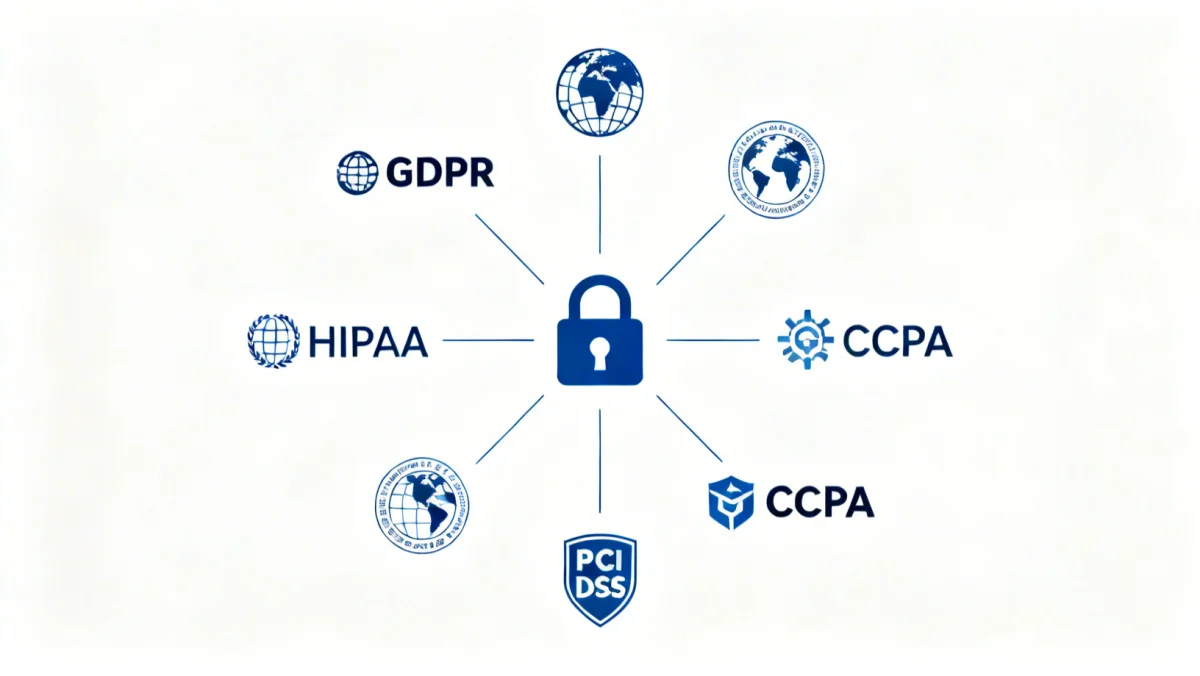
The landscape of cybersecurity compliance is a minefield for many organizations. Navigating the myriad of regulations such as GDPR, HIPAA, CCPA, PCI DSS, and numerous industry-specific mandates requires a deep understanding of legal frameworks, technological safeguards, and continuous vigilance. Many companies mistakenly view compliance as a reactive checkbox exercise rather than a continuous, integral part of their overall business strategy. This oversight is precisely where the greatest risks lie. A reactive approach often leads to hurried, incomplete implementations, leaving critical vulnerabilities exposed and making organizations prime targets for cyberattacks and regulatory enforcement actions. The goal of this comprehensive guide is to illuminate the path to effective cybersecurity compliance, emphasizing proactive strategies that not only mitigate risks but also foster a culture of security within your organization.
We will delve into the multifaceted nature of cybersecurity compliance fines, exploring the common pitfalls that lead to such penalties and outlining the essential components of a robust compliance framework. From conducting thorough risk assessments to developing comprehensive data breach response plans, every step is crucial. The investment in proactive cybersecurity compliance is an investment in your company’s future, safeguarding its financial stability, brand integrity, and long-term viability in an increasingly hostile digital environment. Let’s explore how your business can avoid becoming another statistic and instead thrive through diligent adherence to cybersecurity best practices, ensuring you steer clear of significant cybersecurity compliance fines.
Understanding the Escalating Threat of Cybersecurity Compliance Fines
The digital age has brought unprecedented opportunities for businesses, but it has also ushered in an era of heightened risk. Data breaches are no longer rare occurrences; they are a daily reality. Alongside this surge in cyber incidents, governments and regulatory bodies worldwide have responded by enacting stricter data protection laws. These laws are designed to protect consumer privacy and data integrity, and they come with teeth – significant financial penalties for non-compliance. These cybersecurity compliance fines are not just theoretical; they are being levied with increasing frequency and severity, impacting businesses of all sizes across various sectors.
The Global Regulatory Landscape
The regulatory landscape is diverse and complex. In Europe, the General Data Protection Regulation (GDPR) sets a high bar for data privacy and security. Violations can result in fines of up to €20 million or 4% of a company’s annual global turnover, whichever is higher. This has had a ripple effect globally, influencing legislation in other regions. In the United States, regulations like the Health Insurance Portability and Accountability Act (HIPAA) protect sensitive patient health information, while the California Consumer Privacy Act (CCPA) grants consumers more control over their personal data. Financial institutions are bound by strict rules such as the Gramm-Leach-Bliley Act (GLBA) and the Payment Card Industry Data Security Standard (PCI DSS) for handling credit card information. Each of these regulations, and many others, carries its own set of penalties for non-compliance, making it crucial for businesses to identify and adhere to all applicable frameworks to avoid cybersecurity compliance fines.
Why Fines Are Increasing
Several factors contribute to the escalating nature of cybersecurity compliance fines. Firstly, the sheer volume and sensitivity of data being collected and processed by businesses have grown exponentially. This makes data a more attractive target for cybercriminals. Secondly, regulatory bodies are becoming more proactive and assertive in their enforcement efforts. They are investing more resources in investigating breaches and penalizing organizations that fail to meet their obligations. Thirdly, there’s a growing public demand for greater data privacy and accountability from companies. Consumers are more aware of their rights and are less tolerant of data mishandling, putting pressure on regulators to act decisively. Finally, the interconnectedness of global businesses means that a data breach in one region can have far-reaching consequences, necessitating a global approach to compliance and enforcement.
Beyond the Monetary Cost: The True Impact of Non-Compliance
While the direct financial penalties for cybersecurity non-compliance can be devastating, the true cost extends much further. A data breach or a regulatory violation can severely damage a company’s reputation, eroding customer trust and leading to a loss of market share. The public backlash, negative media coverage, and social media scrutiny can be difficult to recover from. Moreover, non-compliance can trigger costly legal battles, class-action lawsuits from affected individuals, and increased scrutiny from investors and business partners. Operational disruptions, remediation costs, and the time and resources diverted to address the aftermath of a breach can also significantly impact a company’s bottom line and long-term sustainability. The cumulative effect can be far more damaging than the initial cybersecurity compliance fines themselves.
Proactive Strategies: Building a Robust Cybersecurity Compliance Framework
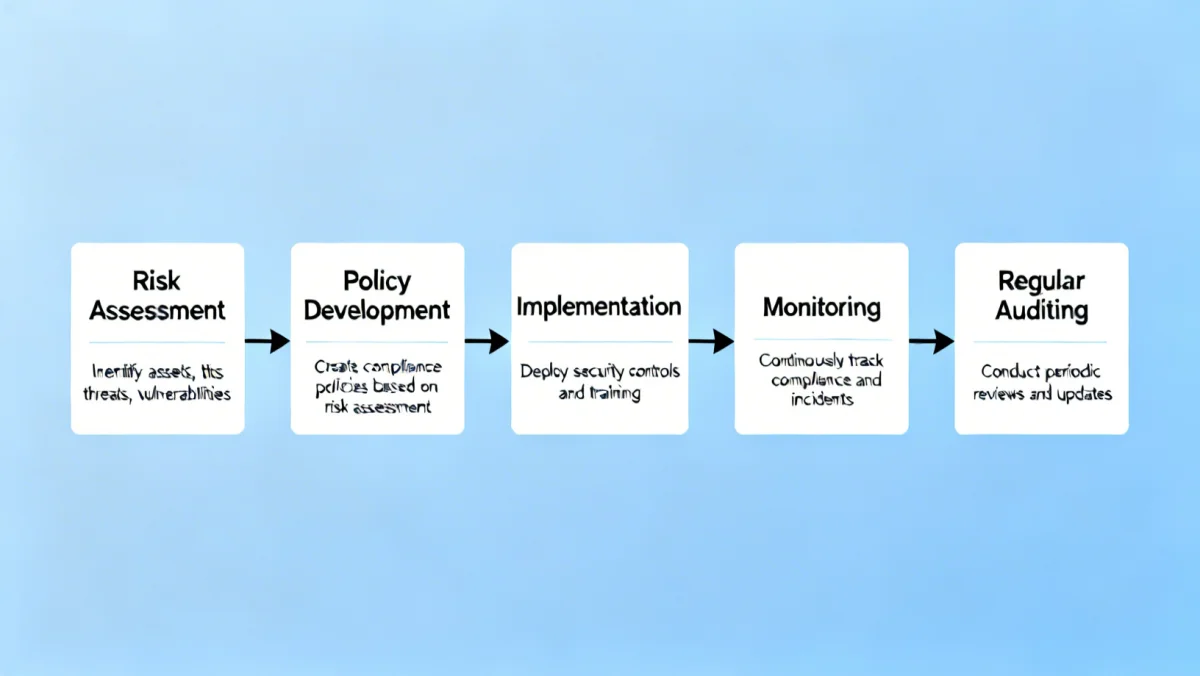
Avoiding severe cybersecurity compliance fines requires a strategic, proactive approach to data security and privacy. It’s about embedding compliance into the very fabric of your organization’s operations, rather than treating it as an afterthought. A robust cybersecurity compliance framework is built on several key pillars, each designed to identify, mitigate, and respond to risks effectively.
1. Comprehensive Risk Assessments and Gap Analysis
The first step in any effective compliance strategy is to understand your current security posture and identify potential vulnerabilities. A comprehensive risk assessment involves evaluating your IT infrastructure, data processing activities, third-party vendor relationships, and existing security controls. This process helps pinpoint where your organization might be exposed to cyber threats and where it falls short of regulatory requirements. A gap analysis then compares your current state against the desired state of compliance with relevant regulations (e.g., GDPR, HIPAA, CCPA). This critical step provides a clear roadmap for addressing deficiencies and prioritizing remediation efforts, directly helping to prevent future cybersecurity compliance fines.
2. Develop and Implement Clear Security Policies and Procedures
Once risks are identified, it’s essential to establish clear, documented security policies and procedures. These policies should cover all aspects of data handling, from collection and storage to processing and disposal. Key areas include access control, data encryption, incident response, employee training, and vendor management. These documents serve as foundational guidelines for all employees and demonstrate to regulators that your organization has a structured approach to data protection. Regular review and updates of these policies are crucial to ensure they remain relevant and effective in the face of evolving threats and regulatory changes.
3. Employee Training and Awareness Programs
Human error remains a leading cause of data breaches. Therefore, investing in ongoing employee training and awareness programs is paramount. All employees, from top management to entry-level staff, must understand their role in maintaining cybersecurity and compliance. Training should cover topics such as phishing awareness, strong password practices, data handling protocols, and how to identify and report suspicious activities. Regular refreshers and simulated phishing exercises can significantly reduce the likelihood of human-induced security incidents, thereby reducing the risk of cybersecurity compliance fines.
4. Robust Technical Security Controls
Implementing strong technical security controls is non-negotiable. This includes deploying firewalls, intrusion detection/prevention systems, endpoint protection, multi-factor authentication (MFA), and data encryption for data at rest and in transit. Regular vulnerability scanning and penetration testing are also vital to identify and address weaknesses before they can be exploited by attackers. These technical safeguards form the backbone of your defense against cyber threats and are often a key requirement for avoiding cybersecurity compliance fines.
5. Incident Response and Business Continuity Planning
Even with the best preventative measures, breaches can occur. A well-defined incident response plan is crucial for minimizing the damage and ensuring a swift recovery. This plan should outline clear steps for identifying, containing, eradicating, and recovering from a cyber incident. It should also include communication protocols for notifying affected parties and regulatory authorities, as required by law. Alongside this, a robust business continuity plan ensures that critical business operations can continue even in the event of a significant cyberattack or system failure. Proactive planning in this area can significantly reduce the impact of a breach and demonstrate due diligence to regulators, potentially mitigating the severity of cybersecurity compliance fines.
6. Third-Party Risk Management
Many data breaches originate from vulnerabilities in third-party vendors’ systems. Organizations are often held responsible for the data security practices of their service providers. Therefore, a comprehensive third-party risk management program is essential. This involves conducting due diligence on all vendors, including assessing their security controls, contractual obligations, and compliance certifications. Regular monitoring of vendor security performance and ensuring that contracts include strong data protection clauses can help mitigate this significant risk factor and prevent indirect cybersecurity compliance fines.
Navigating Specific Regulatory Frameworks and Avoiding Cybersecurity Compliance Fines
Understanding the general principles of cybersecurity compliance is a good start, but businesses must also delve into the specifics of the regulations that apply to their industry and geographic location. Each framework has unique requirements and implications, and a failure to address these can lead directly to cybersecurity compliance fines.
GDPR: The Gold Standard for Data Privacy
The General Data Protection Regulation (GDPR) is one of the most comprehensive data privacy laws globally, impacting any organization that processes personal data of EU citizens, regardless of where the organization is based. Key requirements include obtaining explicit consent for data processing, implementing data protection by design and by default, conducting Data Protection Impact Assessments (DPIAs), appointing a Data Protection Officer (DPO), and adhering to strict breach notification rules. Non-compliance with GDPR can result in astronomical cybersecurity compliance fines, making it imperative for affected businesses to prioritize its mandates.
HIPAA: Protecting Health Information
For organizations in the healthcare sector, the Health Insurance Portability and Accountability Act (HIPAA) is paramount. It sets standards for protecting sensitive patient health information (PHI). Compliance requires robust administrative, physical, and technical safeguards, as well as strict rules for data access, transmission, and storage. Breaches of PHI can lead to significant penalties, making HIPAA compliance a critical component of avoiding cybersecurity compliance fines in healthcare.
CCPA and CPRA: California’s Data Rights
The California Consumer Privacy Act (CCPA), and its successor, the California Privacy Rights Act (CPRA), grant California consumers extensive rights over their personal information. Businesses that collect, process, or sell personal information of California residents must comply with strict disclosure requirements, provide opt-out options, and implement reasonable security measures. Violations can lead to substantial fines per incident, underscoring the importance of understanding and adhering to these state-specific regulations to prevent cybersecurity compliance fines.
PCI DSS: Securing Payment Card Data
Any organization that processes, stores, or transmits credit card information must comply with the Payment Card Industry Data Security Standard (PCI DSS). While not a government regulation, it’s an industry standard enforced by payment card brands. Non-compliance can lead to hefty fines imposed by banks and card companies, increased transaction fees, and even the inability to process credit card payments. Adhering to PCI DSS is crucial for maintaining trust and avoiding significant financial penalties related to cybersecurity compliance fines in the payment sector.
The Role of Continuous Monitoring and Auditing in Preventing Cybersecurity Compliance Fines
Compliance is not a one-time event; it’s an ongoing journey. The digital threat landscape is constantly evolving, and so are regulatory requirements. Therefore, continuous monitoring and regular auditing are essential components of a sustainable cybersecurity compliance strategy. These processes ensure that your security controls remain effective and that your organization stays aligned with all applicable regulations, thereby proactively preventing cybersecurity compliance fines.
Real-time Security Monitoring
Implementing real-time security monitoring tools, such as Security Information and Event Management (SIEM) systems, allows organizations to detect and respond to security incidents promptly. These systems collect and analyze log data from various sources across the IT environment, providing visibility into potential threats and anomalies. Early detection is critical for minimizing the impact of a breach and demonstrating due diligence to regulators, which can be a key factor in mitigating potential cybersecurity compliance fines.
Regular Internal and External Audits
Periodic internal and external audits are vital for assessing the effectiveness of your compliance program. Internal audits, conducted by your own team or an independent internal department, help identify areas for improvement before they become significant issues. External audits, performed by accredited third-party assessors, provide an objective evaluation of your compliance posture and can offer certifications that demonstrate your adherence to specific standards. These audits not only help in identifying gaps but also serve as proof of your commitment to compliance, which can be invaluable in the event of a regulatory inquiry and in avoiding cybersecurity compliance fines.
Staying Updated with Regulatory Changes
The regulatory landscape is dynamic, with new laws and amendments being introduced regularly. Businesses must have mechanisms in place to stay informed about these changes. This could involve subscribing to industry newsletters, engaging with legal counsel specializing in data privacy, or participating in relevant industry associations. Proactively adapting your compliance framework to incorporate new requirements is crucial for maintaining continuous compliance and avoiding unexpected cybersecurity compliance fines.
The Financial and Reputational Benefits of Proactive Cybersecurity Compliance
While the focus often remains on avoiding penalties, it’s important to recognize that proactive cybersecurity compliance offers substantial benefits beyond merely sidestepping cybersecurity compliance fines. It transforms compliance from a cost center into a value driver, enhancing various aspects of your business.
Enhanced Customer Trust and Loyalty
In an era where data breaches are common, consumers are increasingly concerned about the privacy and security of their personal information. Organizations that demonstrate a strong commitment to data protection build greater trust and loyalty among their customer base. This trust can translate into competitive advantage, increased customer retention, and positive brand perception. When customers feel their data is safe with you, they are more likely to engage with your products and services.
Improved Business Relationships and Partnerships
Compliance with cybersecurity regulations is often a prerequisite for forming new business partnerships, especially with larger enterprises. Demonstrating a robust compliance program can open doors to new opportunities and strengthen existing relationships. Business partners are more likely to trust and collaborate with organizations that mitigate their shared risks effectively, reducing the likelihood of joint liability for cybersecurity compliance fines.
Operational Efficiency and Risk Reduction
Implementing strong cybersecurity controls and compliance processes often leads to improved operational efficiency. By streamlining data handling, access management, and incident response, organizations can reduce manual errors, automate processes, and allocate resources more effectively. Furthermore, a proactive approach significantly reduces the overall risk of cyber incidents, minimizing the potential for costly business disruptions, data loss, and the subsequent remediation expenses.
Competitive Advantage and Market Differentiation
In a crowded marketplace, cybersecurity compliance can serve as a powerful differentiator. Companies that can confidently assure their clients and partners of their commitment to data security and privacy stand out from competitors. This can attract new clients, especially those in highly regulated industries, and enhance your market position. Being known as a secure and trustworthy entity is a significant asset in today’s digital economy, offering a distinct advantage over those constantly battling cybersecurity compliance fines.
Conclusion: Prioritizing Cybersecurity Compliance for Long-Term Success
The threat of cybersecurity compliance fines up to $5 million this quarter is a stark reminder of the critical importance of proactive cybersecurity measures. In an age where data is paramount and regulatory scrutiny is intensifying, businesses can no longer afford to view compliance as an optional add-on or a reactive burden. It must be an integral, continuous, and evolving part of their core strategy.
By investing in comprehensive risk assessments, developing clear policies, educating employees, implementing robust technical controls, and maintaining vigilant monitoring and auditing processes, organizations can build a resilient defense against cyber threats and regulatory penalties. The journey to full compliance is complex, but the rewards – avoiding devastating fines, protecting reputation, fostering customer trust, and gaining a competitive edge – far outweigh the challenges.
This quarter, make it your priority to review and strengthen your cybersecurity compliance posture. Engage with experts, leverage advanced security technologies, and cultivate a security-first culture within your organization. The cost of non-compliance is simply too high to ignore. Proactive cybersecurity compliance is not just about avoiding fines; it’s about safeguarding your business’s future, ensuring its stability, integrity, and success in the ever-evolving digital world. Don’t wait for a breach or a regulatory letter to act. Take decisive steps now to secure your digital assets and ensure your business remains compliant and thriving.