Great Resignation’s Lingering Effects: 7 Strategies for US Businesses

To mitigate the Great Resignation’s ongoing impact, US businesses must implement proactive strategies focusing on employee well-being, growth, and engagement to significantly reduce turnover by 10% by 2026 and build a more stable workforce.
The landscape of work in the United States has undergone a seismic shift, largely catalyzed by the phenomenon dubbed the Great Resignation. This period saw millions of employees voluntarily leave their jobs, seeking better opportunities, improved work-life balance, or a complete career change. For US businesses, understanding the Great Resignation’s lingering effects and implementing effective strategies to reduce employee turnover by 10% by 2026 is not just an aspiration but a critical imperative for sustained growth and stability.
Re-evaluating Compensation and Benefits
In a competitive labor market, compensation and benefits are no longer mere incentives; they are foundational expectations. Employees are increasingly discerning, comparing their current packages against market rates and the offerings of competitors. Businesses that fail to keep pace risk losing valuable talent to organizations that prioritize fair and attractive remuneration.
A comprehensive review of your compensation structure is the first step. This involves benchmarking salaries against industry standards and geographical averages. Beyond base pay, the benefits package plays a crucial role in overall employee satisfaction and retention. Employees value a holistic approach to their well-being, which extends beyond traditional health insurance.
Competitive Pay Structures
Ensuring salaries are competitive helps attract and retain top talent. Regular market adjustments and transparent pay scales foster trust and reduce the likelihood of employees seeking opportunities elsewhere solely for higher pay.
- Conduct annual salary benchmarking.
- Implement clear progression paths with associated pay raises.
- Offer performance-based bonuses and incentives.
Enhanced Benefits Packages
Modern employees expect benefits that support their physical, mental, and financial health. A robust benefits package can significantly differentiate your company from competitors and demonstrate a genuine commitment to your employees’ welfare.
- Comprehensive health, dental, and vision insurance.
- Generous paid time off, including mental health days.
- Retirement plans with employer contributions.
- Parental leave, childcare support, and eldercare resources.
By proactively addressing compensation and benefits, businesses can signal to their workforce that their contributions are valued, thereby mitigating one of the primary drivers of turnover. This investment in human capital often yields significant returns in terms of loyalty and productivity.
Fostering a Culture of Flexibility and Work-Life Balance
The pandemic irrevocably altered perceptions of work, placing a premium on flexibility and work-life balance. Employees, having experienced remote or hybrid models, are reluctant to return to rigid 9-to-5, in-office schedules. Businesses that embrace flexibility are better positioned to retain talent and attract new hires.
Work-life balance is not merely about working fewer hours; it’s about empowering employees to integrate their professional and personal lives harmoniously. This involves offering choices in how, when, and where work gets done, recognizing that different individuals have different needs and responsibilities.
Implementing Hybrid Work Models
Hybrid work, blending remote and in-office days, has emerged as a popular and effective solution. It provides the benefits of collaboration and camaraderie while retaining the convenience and autonomy of remote work.
- Define clear guidelines for hybrid work eligibility.
- Invest in technology that supports seamless collaboration.
- Ensure equitable treatment for remote and in-office employees.
Prioritizing Employee Well-being
Beyond flexible schedules, actively promoting employee well-being signals a supportive work environment. This includes encouraging breaks, discouraging excessive overtime, and providing resources for mental and physical health.
- Offer mental health support programs.
- Encourage disconnection outside of work hours.
- Provide wellness initiatives and resources.
Cultivating a culture that values flexibility and work-life balance demonstrates a progressive approach to employment. It acknowledges that employees are whole individuals with lives outside of work, leading to increased job satisfaction, reduced stress, and ultimately, lower turnover rates.
Investing in Career Development and Growth Opportunities
One of the primary reasons employees seek new roles is the perception of limited growth opportunities within their current organization. A stagnant career path can quickly lead to disengagement and a desire for new challenges. Businesses must proactively invest in their employees’ professional development to retain them.
Providing clear pathways for career advancement and offering continuous learning opportunities are essential. This not only benefits the individual employee but also enhances the overall skill set and capability of the workforce, fostering innovation and adaptability.
Structured Training Programs
Formal training programs, whether internal or external, equip employees with new skills and knowledge, making them more valuable to the organization and more satisfied in their roles.
- Identify skill gaps and offer relevant training.
- Support certifications and further education.
- Implement mentorship programs.
Clear Career Progression Paths
Employees want to see a future within the company. Transparent career paths, outlining the skills and experiences needed for advancement, provide motivation and a sense of purpose.
- Develop clear job ladders and promotion criteria.
- Conduct regular career development discussions.
- Offer internal mobility and cross-functional opportunities.
By demonstrating a commitment to employee growth, businesses can transform potential departures into long-term loyalty. When employees feel invested in and see a future within their organization, they are far less likely to look for opportunities elsewhere.
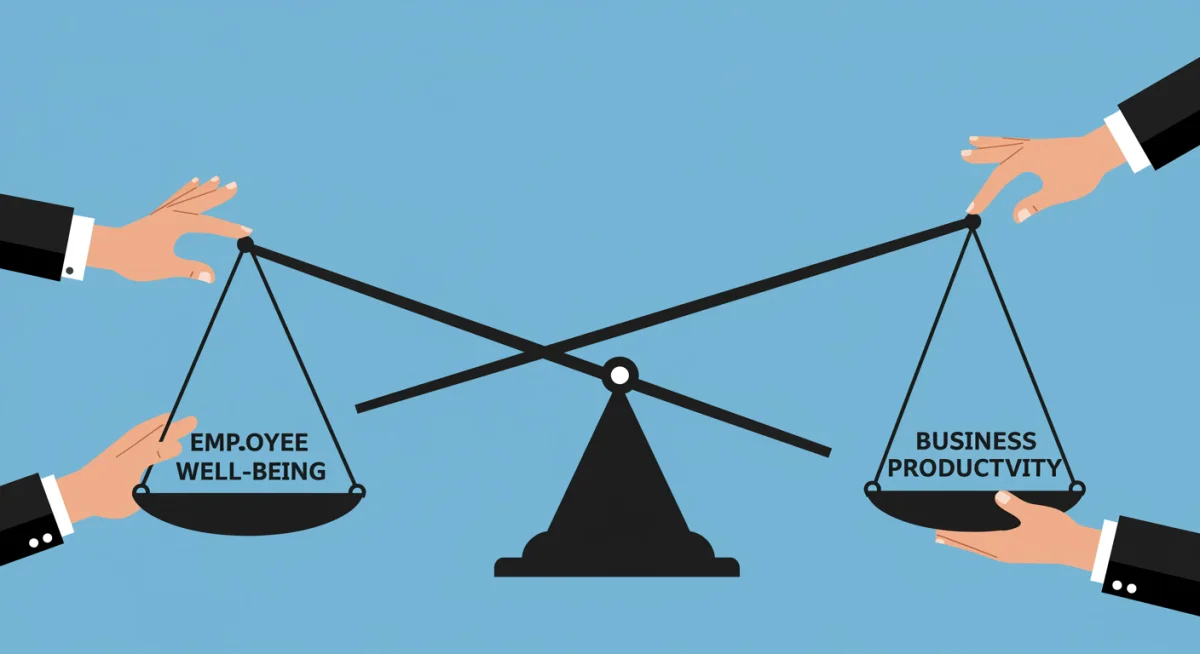
Enhancing Communication and Employee Voice
A significant factor contributing to employee dissatisfaction and turnover is feeling unheard or undervalued. Open, transparent communication from leadership, coupled with genuine opportunities for employees to voice their opinions and contribute to decision-making, can dramatically improve engagement and retention.
Effective communication is a two-way street. It involves not only informing employees but also actively listening to their feedback, concerns, and suggestions. When employees feel they have a voice, they are more likely to feel a sense of ownership and commitment to the company’s success.
Transparent Leadership Communication
Regular updates on company performance, strategic direction, and challenges build trust and ensure employees feel connected to the bigger picture. This transparency reduces uncertainty and rumor mills.
- Hold regular town hall meetings or Q&A sessions.
- Provide consistent updates on company goals and progress.
- Communicate changes clearly and explain the rationale behind them.
Empowering Employee Feedback
Creating safe and accessible channels for feedback ensures that employee concerns are heard and addressed. Acting on this feedback demonstrates that their input is valued and can lead to tangible improvements.
- Implement regular employee engagement surveys.
- Establish anonymous feedback mechanisms.
- Create employee resource groups (ERGs).
By fostering an environment where communication is open and employee voices are genuinely heard, businesses can build a stronger, more cohesive workforce. This sense of belonging and influence significantly contributes to reducing turnover by strengthening the bond between employees and the organization.
Strengthening Managerial Training and Support
It’s often said that people don’t leave companies; they leave managers. Managers play a pivotal role in employee experience, engagement, and retention. Investing in robust managerial training and providing ongoing support for leaders is crucial for creating a positive work environment and reducing turnover.
Effective managers are not just taskmasters; they are coaches, mentors, and advocates for their teams. They are equipped to handle complex employee issues, foster team cohesion, and drive individual and collective performance. Without proper training, managers can inadvertently become a source of employee frustration and disengagement.
Developing Leadership Skills
Training programs should focus on developing key leadership competencies, including empathetic communication, performance management, conflict resolution, and fostering psychological safety within teams.
- Offer leadership development workshops.
- Provide coaching and mentoring for managers.
- Train managers on effective feedback delivery.
Providing Managerial Resources
Managers need access to resources and support systems to effectively lead their teams. This includes tools for performance tracking, mental health resources for employees, and guidance on navigating HR policies.
- Equip managers with tools for team engagement.
- Provide clear HR guidelines and support.
- Encourage peer-to-peer manager support networks.
By empowering managers with the skills and resources they need, businesses can ensure that leaders are a positive force for retention. Competent and supportive management directly contributes to higher employee satisfaction and a reduced inclination to seek opportunities elsewhere.
Prioritizing Diversity, Equity, and Inclusion (DEI)
A diverse, equitable, and inclusive workplace is no longer a ‘nice-to-have’ but a fundamental expectation for modern employees. Companies that genuinely prioritize DEI create environments where all employees feel valued, respected, and have equal opportunities to succeed. This, in turn, significantly impacts retention.
DEI initiatives go beyond mere representation; they involve creating systemic changes that dismantle barriers and foster an environment where every individual can thrive. A truly inclusive culture enhances creativity, innovation, and overall business performance, while also acting as a powerful magnet for diverse talent.
Implementing Inclusive Hiring Practices
Reviewing and reforming hiring processes to eliminate bias and attract a wider pool of diverse candidates is a vital first step. This includes blind resume reviews and diverse interview panels.
- Remove biased language from job descriptions.
- Ensure diverse interview panels.
- Set diversity targets for hiring.
Cultivating an Equitable Culture
Equity ensures fair treatment and access to opportunities for all employees. This means addressing systemic inequalities and ensuring that policies and practices are applied fairly, regardless of background.
- Conduct regular pay equity audits.
- Provide unconscious bias training.
- Support employee resource groups (ERGs).
By embedding DEI into the organizational fabric, businesses not only fulfill a moral imperative but also build a more resilient and attractive workplace. Employees who feel they belong and are treated equitably are significantly more likely to stay, contributing to a substantial reduction in turnover.
Leveraging Technology for Employee Engagement and Feedback
In the digital age, technology offers powerful tools to enhance employee engagement, streamline communication, and gather valuable feedback. Businesses that strategically leverage these tools can create a more connected and responsive workplace, directly impacting retention efforts.
From internal communication platforms to sophisticated HR analytics, technology can provide insights into employee sentiment, identify potential issues before they escalate, and facilitate a more personalized employee experience. Ignoring these technological advancements means missing out on crucial opportunities to understand and support the workforce.
Digital Communication Platforms
Modern platforms allow for real-time communication, collaboration, and knowledge sharing, breaking down silos and fostering a sense of community, especially in hybrid or remote settings.
- Utilize internal social networks or collaboration tools.
- Implement project management software for transparency.
- Host virtual team-building activities.
HR Analytics and Feedback Tools
Data-driven insights into employee sentiment and behavior can help identify trends, pinpoint areas of concern, and measure the effectiveness of retention strategies. Regular pulse surveys and sentiment analysis tools are invaluable.
- Deploy regular pulse surveys for quick feedback.
- Use sentiment analysis tools to gauge employee morale.
- Analyze turnover data to identify patterns and root causes.
Integrating technology thoughtfully into HR and employee engagement strategies allows businesses to stay attuned to their workforce’s needs and proactively address potential issues. This proactive approach, fueled by data and efficient communication, is a cornerstone of effective talent retention in the post-Great Resignation era.
| Key Strategy | Brief Description |
|---|---|
| Competitive Compensation | Benchmark salaries and enhance benefits to attract and retain talent. |
| Work-Life Balance | Implement flexible work models and prioritize employee well-being. |
| Career Development | Provide growth opportunities, training, and clear progression paths. |
| Empathetic Leadership | Strengthen managerial training to foster supportive and effective leadership. |
Frequently Asked Questions About Employee Turnover
Employees are primarily seeking better compensation, improved work-life balance, career growth opportunities, and a more supportive and inclusive work culture. A lack of these factors often prompts individuals to explore new employment options.
Flexible work, such as hybrid models or adjusted hours, empowers employees to better manage personal and professional responsibilities, reducing stress and increasing job satisfaction. This autonomy fosters loyalty and decreases the desire to leave.
Employees want to grow and advance. Providing training, mentorship, and clear career paths signals that the company values their long-term potential, creating a sense of purpose and reducing the need to seek external growth opportunities.
Open and honest communication from leadership builds trust and makes employees feel valued and informed. When employees understand company decisions and feel their voices are heard, they are more engaged and less likely to leave.
Effectiveness can be measured through key HR metrics like turnover rates, exit interview data, employee engagement survey results, and retention rates over time. Analyzing these data points helps identify successful initiatives and areas needing improvement.
Conclusion
The Great Resignation was a wake-up call, but its lingering effects can be mitigated with strategic, employee-centric approaches. By prioritizing competitive compensation, fostering flexibility, investing in career growth, enhancing communication, strengthening leadership, championing DEI, and leveraging technology, US businesses can build resilient workforces. These seven strategies are not merely reactive measures but proactive investments in human capital, essential for not only reducing employee turnover by 10% by 2026 but also for cultivating thriving, innovative, and sustainable organizations in the future of work.