Anúncios
Space Technology Innovations 2026: Private Companies Expanding the Future of Space Travel are lowering launch costs and increasing mission frequency through reusable rockets, advanced propulsion and materials, standardized satellites, and commercial on-orbit services, enabling scalable, economically viable access to orbit while requiring robust regulation and sustainability measures.
Space Technology Innovations 2026: Private Companies Expanding the Future of Space Travel is changing who gets to go to space — cheaper launches, new services, wilder ideas. Curious how that affects jobs, safety and the economy? This piece brings examples, caveats and a realistic look at what might come next.
Anúncios
Private companies cutting costs and scaling launches
Space Technology Innovations 2026 are driven by private companies focused on cutting costs and scaling launches. These shifts make space access faster and more affordable for many users.
From reusable boosters to rideshare programs, firms are redesigning how rockets are built, flown and paid for.
Reusability and rapid turnaround
Reusable boosters let operators fly the same hardware multiple times. That reduces the cost per flight and shortens the time between missions.
Anúncios
- Lower per-launch cost due to repeated use of major components.
- Higher launch cadence lets more customers book flights on tighter schedules.
- Rideshare missions fill spare capacity and split expenses among many payloads.
Mass production and standard templates mean parts arrive faster and with fewer defects. Standard satellite buses and common adapter fittings let small teams hitch rides without custom engineering.
Integration services and turnkey mission packages further hide complexity and cost for newcomers, encouraging more frequent missions.
Manufacturing, automation and supply chain
Automation and additive manufacturing speed up production and cut labor costs. Vertical integration and local suppliers reduce markups and lead times.
- 3D printing for engine parts speeds iteration and lowers tooling costs.
- Robotic assembly improves consistency and reduces manual errors.
- Standard avionics modules simplify integration across vehicles.
- Localized supply chains shorten delivery times and reduce risk.
As production volumes rise, economies of scale push unit prices down. That helps smaller satellite operators afford dedicated or frequent launches.
However, lower costs must not sacrifice safety. Robust testing, quality control and regulatory compliance remain essential to prevent failures that can be far more expensive than careful design.
Public contracts, repeat commercial customers and shared infrastructure investments help private firms finance scale-up. Partnerships between manufacturers, launch providers and payload integrators spread risk and lower costs for all.
Private companies cutting costs and scaling launches are reshaping access to orbit: reuse, standardization and automation drive price declines while shared services and careful oversight keep missions reliable and repeatable.
Innovations in propulsion, materials and satellites
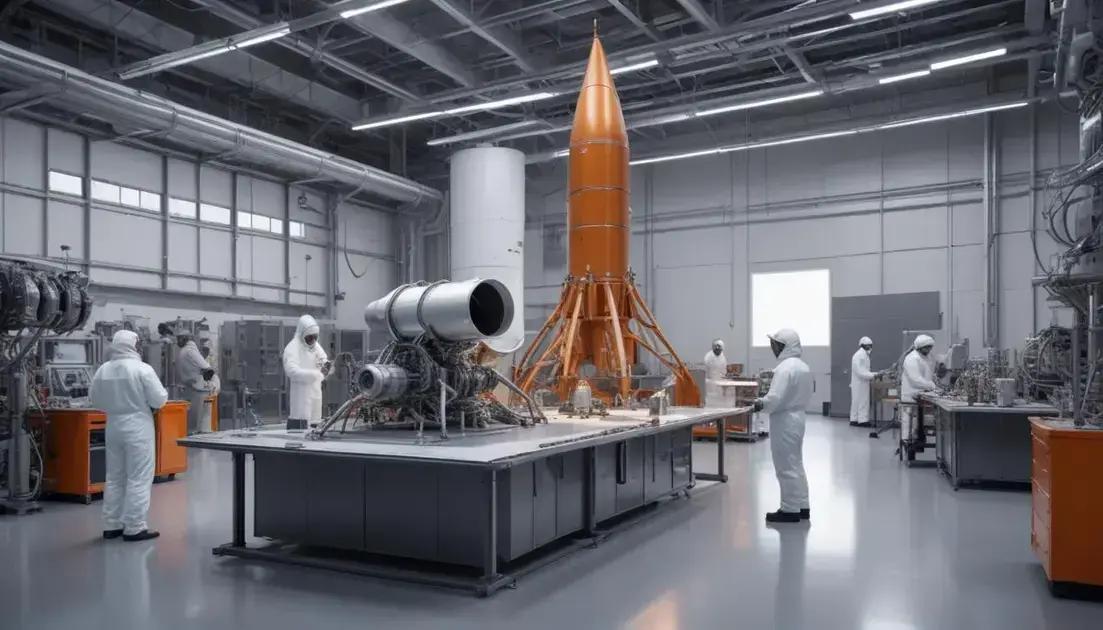
Space Technology Innovations 2026 are pushing new ideas in propulsion, materials, and satellites. These advances cut costs and open missions once too hard or too costly.
Engine tests, lighter structures and smarter small satellites all move together to make space access faster and more reliable.
Next‑generation propulsion systems
New rocket engines aim for higher efficiency and easier reuse. That lowers price per kilogram to orbit.
- Methane and clean propellants reduce maintenance and soot buildup.
- Electric propulsion provides long, efficient thrust for satellites.
- Hybrid approaches speed up launches and lower risk for some missions.
Companies also focus on engine modularity. Swappable engines mean faster repairs and lower spare-part costs. Simpler architectures let teams iterate quickly and test improvements in weeks, not years.
Advanced materials and manufacturing
Lightweight composites and new alloys cut mass without losing strength. That change directly reduces fuel needs and cost.
- Additive manufacturing (3D printing) creates complex parts with less waste.
- High-temperature alloys improve engine life and safety margins.
- Advanced thermal tiles and coatings protect vehicles during reentry and reuse.
Manufacturing moves closer to launch sites and uses automation to speed production. This lowers lead times and supports higher launch cadence. Better materials also simplify testing and inspection, making repeat flights more predictable.
Smaller, standardized components let teams build satellites faster. Common interfaces reduce custom work and let multiple payloads share rides and adaptors.
Smarter, smaller satellites and integration
Miniaturization and smarter electronics let small satellites do more. Constellations of small craft now handle tasks that once needed large, costly spacecraft.
- Modular satellite buses speed mission assembly and lower custom fees.
- On-orbit servicing tech extends satellite life and reduces replacement costs.
- Rideshare programs match many payloads to a single launch, cutting price per customer.
Integration centers and standard test procedures speed prelaunch work. Turnkey services bundle launch, integration and ground support so new teams can fly without deep technical staff.
Together, improved propulsion, smarter materials, and modular satellites form a system. Each advance reduces risk or cost, and private companies combine them to create affordable, repeatable missions.
These trends make it easier for startups, researchers and operators to reach orbit. The result is more missions, new services, and faster innovation in space.
Commercial services: tourism, logistics and on-orbit work
Space Technology Innovations 2026 are unlocking a wave of new commercial services like tourism, logistics and on-orbit work. Private firms now turn bold ideas into paid services that more people and companies can use.
These services blend short trips, cargo runs, and robot repairs to create real business models for space access.
Space tourism: experiences and safety
Tourism ranges from quick suborbital hops to multi-day orbital stays. Operators focus on safety, training and repeatable operations to win customer trust.
- Tiered ticketing: short flights, orbital stays, and premium packages for science and VIP guests.
- Standardized training programs to reduce risk and speed onboarding.
- Fleet maintenance and reuse lower per-seat costs over time.
- Insurance and medical support are now part of the package.
Companies are designing cabins, life support and user experiences that feel familiar yet safe. That makes trips more appealing to leisure travelers, researchers and educators.
Partnerships with travel agencies and research institutions help fill flights and justify recurring missions.
Logistics: cargo, rideshare and station resupply
Logistics cover delivery to low Earth orbit, space stations and commercial platforms. Rideshare programs bundle many small payloads to cut costs for each customer.
- Dedicated cargo spacecraft carry supplies, experiments and hardware to orbit.
- Rideshare adapters let multiple small satellites share a single launcher slot.
- Last-mile delivery solutions move payloads between orbits or to specific platforms.
Standard connectors and modular cargo racks speed integration and reduce custom engineering. That lowers lead times and simplifies manifest planning.
As launch cadence rises, inventory cycles shorten and supply costs drop. This changes business planning for science teams, Earth-observation firms and small satellite operators.
On-orbit work: servicing, assembly and debris removal
On-orbit work includes refueling, repairs, assembly of large structures and active debris removal. Robots, servicers and human-tended missions all play roles.
- Robotic arms and autonomous servicers inspect and repair satellites in orbit.
- Refueling stations extend satellite life and reduce replacements.
- On-orbit assembly enables larger telescopes and habitats built from modular pieces.
- Debris removal services reduce collision risk and protect assets.
Business models combine pay-per-service work, subscription plans for satellite fleets, and public-private contracts for debris cleanup. Clear rules and insurance help the market scale.
These commercial services create new job roles, spur supporting industries and open revenue beyond launches. They turn orbit into a place for routine operations rather than a one-time event.
Overall, private companies offering tourism, logistics and on-orbit work make space more practical and available. Their services lower barriers, create repeat customers, and build the infrastructure for a living, working space economy.
Regulation, risks and the path to sustainable growth
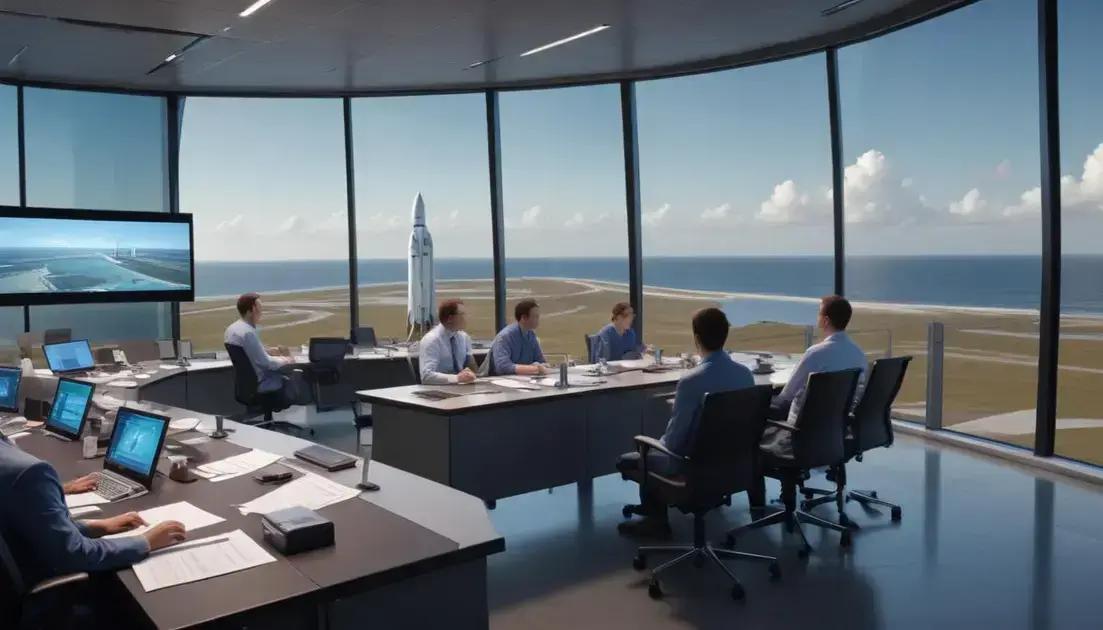
Space Technology Innovations 2026: Private Companies Expanding the Future of Space Travel bring fast growth, but that growth needs clear rules and careful risk management. Policymakers and companies must act together to keep progress steady and safe.
Balancing innovation with oversight helps new markets grow without creating harm or costly setbacks.
Regulatory frameworks and clear standards
Regulation gives companies predictable rules to follow. Clear standards speed approvals and lower legal risk for investors.
- Harmonized launch and safety rules make cross-border missions easier.
- Standard certification paths reduce time to market for new vehicles.
- Transparent licensing processes help startups plan and scale.
Well-designed rules avoid stifling innovation while keeping public safety and environment in focus. Proactive dialogue between regulators and firms shortens approval cycles and builds trust.
Managing technical and operational risks
Private firms must manage technical risks like failures, debris and cyber threats. Good testing and redundancy cut the chance of costly accidents.
- Robust preflight testing prevents failures that could halt an entire program.
- Cybersecurity for ground and space systems protects missions and data.
- Fail-safe designs and end-of-life plans reduce on-orbit hazards.
Shared industry best practices and open data on anomalies help all players learn faster. Insurance markets also play a role by pricing risk and encouraging safer operations.
Operational risk ties to launch cadence and workforce training. Faster schedules can increase mistakes unless processes, automation and staff skills keep pace.
Economic and environmental sustainability
Sustainable growth needs healthy business models and attention to environmental impacts. That includes reducing emissions, tracking debris, and planning responsible end-of-life actions.
- Life-cycle analysis of vehicles and propellants helps cut environmental cost.
- Active debris removal and deorbit plans protect long-term access to orbit.
- Public-private funding models can support infrastructure without overburdening taxpayers.
Long-term planning for supply chains, workforce development and community impact ensures that growth benefits more people and regions. Companies that invest in sustainability often gain public support and customer loyalty.
Clear rules, strong risk controls and sustainable business practices together form a path to reliable, long-term expansion. When regulators, insurers and companies align, private growth in space can be fast, safe and enduring.
Conclusion: Private companies are driving cheaper, safer, and more frequent space access by improving rockets, materials, satellites, and services. With clear rules and focus on risks and sustainability, this growth can become steady and widely beneficial.
FAQ – Space Technology Innovations 2026: common questions
How do private companies cut launch costs?
They use reuseable rockets, standardize parts, increase launch cadence, and offer rideshare options to spread expenses.
Is commercial space travel safe for tourists?
Safety improves with standard training, rigorous testing, and fleet maintenance, but regulations and insurance remain key for trust.
What services can businesses expect in orbit?
Businesses can access logistics, satellite servicing, refueling, on-orbit assembly, and debris removal as paid services.
How do regulators and sustainability affect industry growth?
Clear rules, environmental plans and debris policies reduce risk, attract investment, and enable steady long-term expansion.